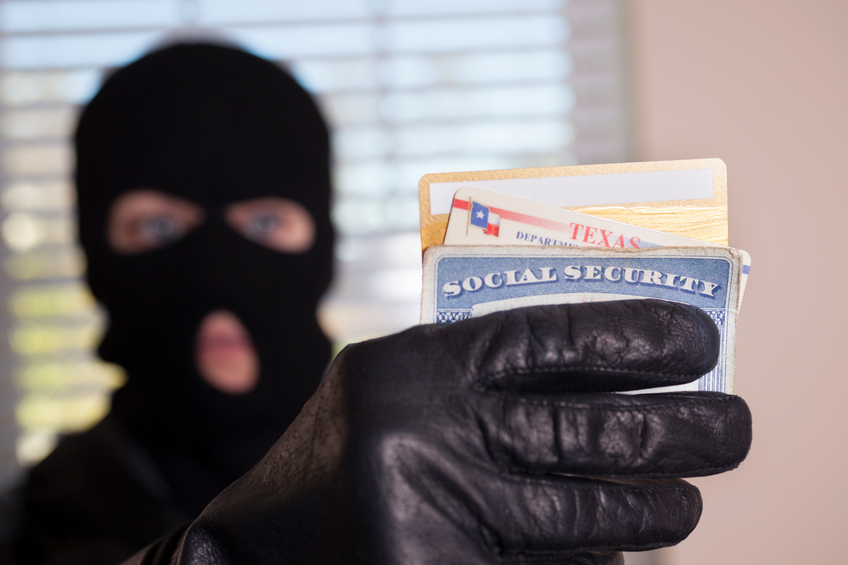


An American Express credit card fraud dispute can start in ways you would never expect. Imagine looking for a job, going through interviews, getting hired—and then discovering that your new “employer” was actually a scammer. That is what happened to one of our clients.
She was searching for work when she was contacted by someone claiming to have received her resume. After telephone and video interviews, she was told she had the job. As part of the supposed onboarding process, the scammer instructed her to download remote-access software onto her phone. Believing she was dealing with her new employer, she followed the instructions.That was when the nightmare began.
The scammer used the remote-access software to take control of our client’s phone and open an American Express account in her name. A $6,000 charge—the entire available limit—was then placed on the account. Our client had never authorized the account or the transaction. She received no benefit from the money.
Our client contacted American Express and explained what happened. Instead of promptly resolving the problem, an Amex representative told her there was “nothing they could do.” We sued American Express. We alleged that Amex initially failed to open a proper billing dispute, provide confirmation of the dispute, or investigate the disputed account and transaction. Our client even obtained a police report while trying to prove that she had been victimized. Eventually,
We settled with American Express and convinced them to give our client her money back, close the account, and pay our fees and costs. Our client got everything she wanted and it cost her nothing out of pocket.
Federal law provides important protections against unauthorized credit-card use. Under the Truth in Lending Act, “unauthorized use” generally includes use by someone who lacks actual, implied, or apparent authority and from which the cardholder receives no benefit. In this case, our client did not authorize the account, did not authorize the $6,000 transaction, and did not receive the money. She should not have been stuck paying a scammer’s bill.
That last part is important. Consumers sometimes hesitate to contact a lawyer because they have already lost thousands of dollars and cannot afford to spend thousands more fighting a bank. Federal consumer-protection laws can provide for recovery of attorney fees in successful cases. That allows us to pursue appropriate cases without requiring the consumer to finance an expensive fight against a major financial institution.
If your bank or credit-card company has refused to reimburse unauthorized transactions, a denial does not necessarily mean the bank is right—or that the fight is over. For us, that is where the fight begins.
At Consumer Dispute Lawyers, we represent consumers in disputes involving unauthorized transactions and fraud. Call us today at (248) 353-2882 or email me, Attorney Gary Nitzkin at gary@dontpayfraud.com. My staff and I are happy to talk to you.
The banks have very good attorneys, and you should too.