


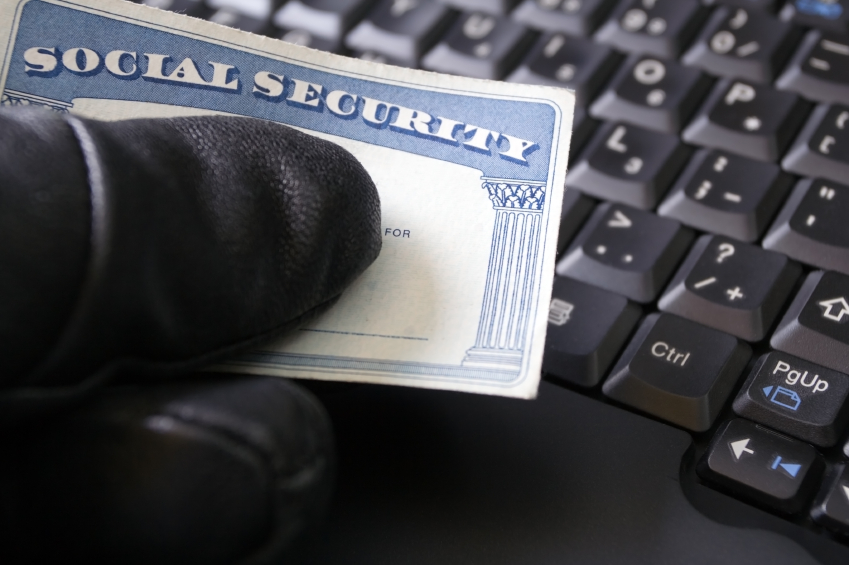
If your identity has been stolen, these are the 4 steps you need to take immediately to protect yourself. Most people discover that their identities have been stolen when they get turned down for a car, home or job. Many others discover it when they get collection calls for debts that they did not incur. Either way, if you are a victim of identity theft, you must deal with it. In this short blog post, we are going to discuss how you should go about reporting that your identity has been stolen.
Go to www.annualcreditreport.com to get a free copy of all of your credit reports. This website is the government sanctioned/mandated site that Experian, Equifax and Trans Union are required to maintain to allow consumers to get their credit reports.
Once you get your credit reports, you must review them for accuracy. Use a pen and circle anything that you do not recognize. As a victim of identity theft, the fraudster may have opened accounts in your name which are now sitting on one or more of your credit reports. The fraudster may have used some correct as well as some incorrect personal information about you to do so. Look at the accounts to see what is yours and what is not. But also look at the personal information at the top of the report and see if there is information about you that is incorrect such as a misspelling of your name or an address at which you never lived. If any of this information is incorrect, circle it.
Take your credit reports with the incorrect information circled to your local police department. You will not be able to challenge any of the fraudulent information on your credit report without police report. Make sure that the police officer who takes your report clearly identifies the bogus information in the report, itself. This report will be your proof that you did not incur these charges.
Warning: It may be tempting to also identify legit accounts that are yours as those opened by the fraudster, but you should not do this for several reasons. First, it’s a felony in most states to make a false police report. Secondly, the creditors and credit bureaus will figure out very quickly that you lied. When they do, you will be stuck paying not only your legit charges, but the fraudulent ones as well. I am giving this caution because 40% of all police reports related to identity theft on credit reports are false. The credit bureaus are keenly aware of this statistic and will review your credit dispute with great skepticism, no matter what. If they discover that you have tried to sneak in a legitimate debt as having been incurred by the fraudster, they will know….and they will gleefully inform the court. Oh yeah, courts are not leery about awarding attorneys’ fees and sanctions against those who lie to it. OK. Enough of that.
Your dispute letter to the credit reporting agency (e.g. Equifax, Trans Union and Experian) is what triggers your rights under the Fair Credit Reporting Act (“FCRA”). This is the statute that protects your rights to a clean credit report and allows you to sue the credit reporting agencies to make your report correct. Your dispute letter should clearly identify each fraudulent account and affirmatively state that each such account is not yours. Be sure to attach the police report to your dispute letter. Send it in writing by snail mail, with a request for a return receipt.
Each credit reporting agency has 30 days to investigate your dispute. If they cannot confirm that an account belongs to you, it must remove the account from your credit report. In practice, this does not happen. The credit reporting agencies usually confirm the accuracy of the information and try to hold you responsible.
Then it’s time to sue! You have two years within which to sue the credit bureaus to remove the negative information. We can help you at no out of pocket charge to you. Under the FCRA, we can collect our fees and costs from the Defendants that we sue. We collect these from the settlements that we obtain on your behalf.
Call us at Consumer Dispute Lawyers at (248) 353-2882 for a free, no obligation consultation. Talk with an Identity Theft attorney today to learn your rights and get free advice. If you have a good case, we will not charge you anything out of pocket to pursue your claim to get your money back from the bank. You can also visit us at Consumer Dispute Lawyers for more information or email us at Gary@dontpayfraud.com